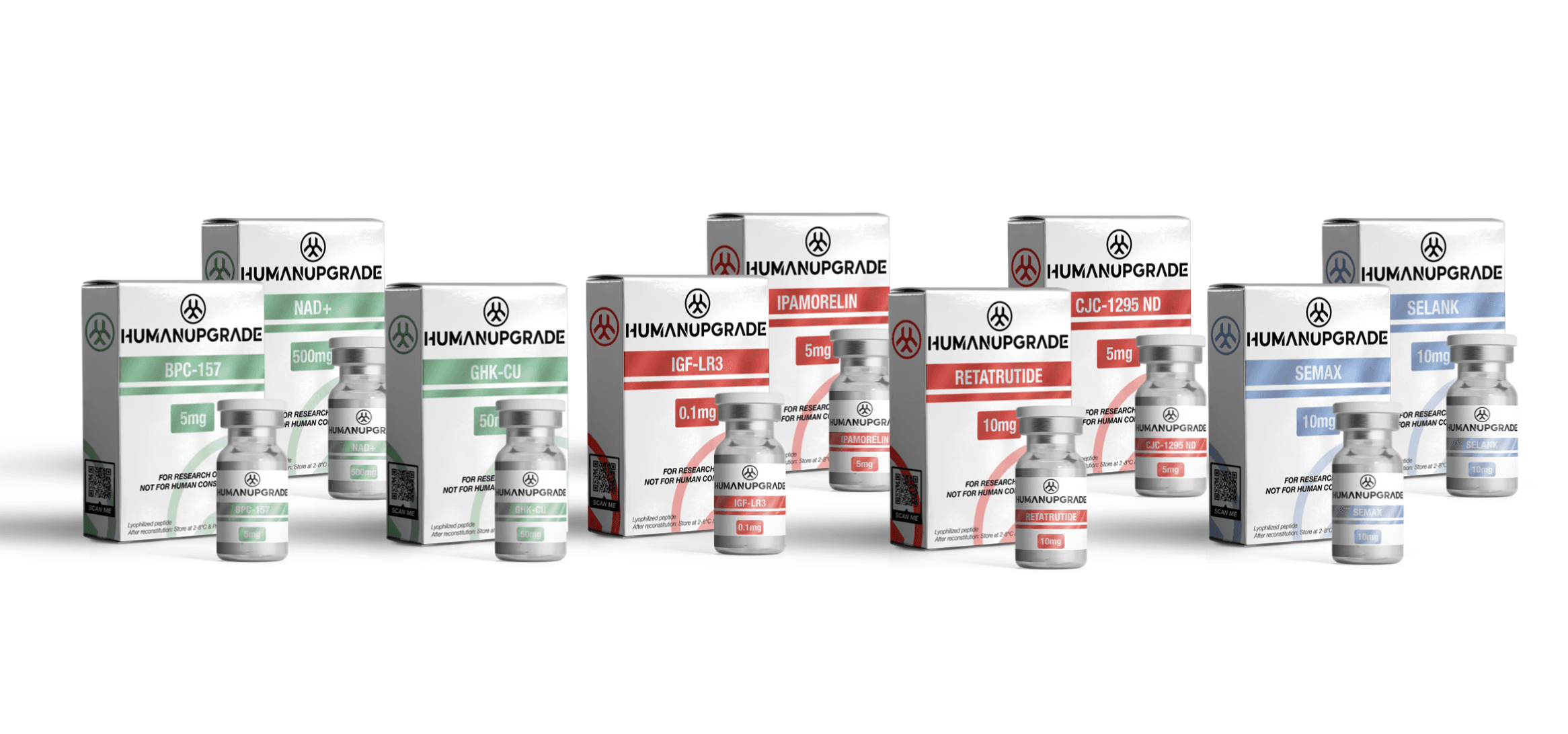
GHK-CU
The Copper Beauty Peptide | Copper Peptide - Skin Regeneration & Anti-Aging Compound
What is GHK-Cu?
GHK-Cu is a naturally occurring copper tripeptide found in human plasma, saliva, and urine. Plasma levels decline from ~200 ng/ml at age 20 to ~80 ng/ml by age 60. Research shows it affects 31.2% of human genes and promotes wound healing, collagen synthesis, and anti-aging effects.
The Copper Beauty Peptide GHK-Cu is a naturally occurring copper complex that acts as a "reset button" for your skin and connective tissues. It works by signaling your DNA to produce more collagen and elastin while also acting as a powerful protector against inflammation and aging.
Key Benefits
Enhanced collagen production, improved skin elasticity, reduced fine lines and wrinkles, accelerated wound healing, hair growth stimulation, convenient daily application.
Skin Tightening: Significantly improves skin elasticity and reduces sagging.
Wrinkle Reduction: Smooths out fine lines by thickening the skin's foundation.
Hair Growth: Stimulates hair follicles to produce thicker, fuller hair.
Fast Wound Healing: Excellent at repairing skin damage, including scars and sun damage.
Antioxidant Power: Protects cells from the "rusting" effects of pollution and UV rays.
Gut Health: Has shown potential in repairing the protective lining of the stomach.
Quick Start Guide
Typical Dose
1-2mg
How Often
1x daily
Where to Inject
Subcutaneous: abdomen, thigh, or upper arm
Injection Timing
Morning or evening consistently
Effects Timeline
2-4 weeks for skin, 4-8 weeks for hair
Storage
Refrigerate at 2-8°C, use within 30 days of reconstitution
Cycle Length
8-12 weeks
Break Between
4-6 weeks
Research Indications
🟢 Anti Inflammatory - Most Effective
Systemic Anti-Aging
Provides comprehensive anti-aging effects through systemic circulation, reducing inflammation and oxidative stress throughout the body
Immune Modulation
Regulates inflammatory cytokine production and promotes balanced immune responses for optimal healing and health
Tissue Protection
Protects tissues from damage through powerful antioxidant mechanisms and enhanced cellular repair processes
🔵 Skin Regeneration - Effective
Deep Collagen Stimulation
Systemic delivery provides deep dermal collagen stimulation beyond what topical application can achieve
Accelerated Wound Healing
Injectable form shows superior wound healing acceleration with enhanced cellular migration and proliferation
Comprehensive Skin Repair
Addresses aging from inside out with improved skin elasticity, firmness, and overall appearance
⚪️ Hair Growth - Moderate
Follicle Revitalization
Systemic delivery provides nutrients and growth factors to hair follicles throughout the scalp
Circulation Enhancement
Improves blood flow to scalp and hair follicles for enhanced growth and thickness
Hormonal Balance
May help balance hormones affecting hair growth through systemic anti-inflammatory effects
What to expect
Week 1-2: Improved energy and skin hydration
Week 3-4: Enhanced skin texture and reduced inflammation
Week 6-8: Visible improvement in skin firmness and elasticity
Week 8-12: Comprehensive anti-aging effects
Hair growth: 4-8 weeks for initial results
Most effective for: Systemic anti-aging, wound healing
Side Effects & Safety
Side Effects | When to Stop |
|---|---|
|
|
Mechanism of Action & Molecular Information
Topical GHK-Cu penetrates skin layers to deliver copper directly to target tissues. Activates fibroblasts, stimulates collagen and elastin synthesis, promotes angiogenesis, and modulates inflammatory responses for optimal skin regeneration
Weight | Length | Type |
|---|---|---|
404.96 Da | 3 amino acids | Copper tripeptide |
Amino Acid Sequence: | ||
Gly-His-Lys | ||
References
Research Studies |
|---|
Regenerative and Protective Actions of GHK-Cu Peptide
Comprehensive review showing GHK affects 31.2% of human genes, with 59% upregulated and 41% downregulated. Demonstrates broad regenerative potential across multiple tissue types. |
GHK Peptide in Skin Regeneration
GHK-Cu at 0.01-100 nM increased elastin and collagen production in human dermal fibroblasts. Demonstrates skin regeneration through multiple cellular pathways. |
GHK and DNA: Resetting the Genome to Health
GHK resets genes of diseased cells to healthier states. Increases DNA repair genes (47 stimulated, 5 suppressed) and reverses COPD gene expression signature. |
GHK-Cu in Prevention of Oxidative Stress and Aging
Cognitive enhancement demonstrated in aged mice at 10 mg/kg body weight. Shows neuroprotective and antioxidant effects with potential anti-aging applications. |
Important Note
This content is intended for educational purposes only and is not medical advice, diagnosis, or treatment.
Legal Disclaimer
All products listed, sold, mentioned, acquired on or through this website and other contact methods are intended strictly for laboratory and research purposes only. They are not for human consumption, veterinary use, or any form of in vivo experimentation. These materials are provided solely for qualified individuals, institutions, and professionals engaged in legitimate scientific research and testing.
By accessing this website, making an inquiry, placing an order, or engaging with us, you acknowledge and agree that:
You are a qualified researcher, scientist, or institutional representative with the appropriate knowledge and facilities to safely handle materials of this nature.
You understand and accept that the products are not to be used for any other purposes, including but not limited to medical, diagnostic, therapeutic, or recreational use.
You understand that the products supplied are not approved by the FDA, EMA, or any other regulatory authority for human or animal use.
You will use all products solely in accordance with applicable laws, regulations, and safety standards, and will not resell, distribute, or otherwise make them available for any prohibited purpose.
You assume full responsibility for compliance with all applicable laws, regulations, and safety procedures regarding the handling, storage, and use of research chemicals and peptides.
By contacting, communicating with, or purchasing from this website or other contact methods (including but not limited to phone, forms, email, messaging apps etc.), you confirm your compliance with these conditions and agree to be bound by all associated terms and conditions.
The site owner, operators and its affiliates shall not be held liable for any misuse, handling errors, or consequences arising from improper application of these materials.